CINE-VR
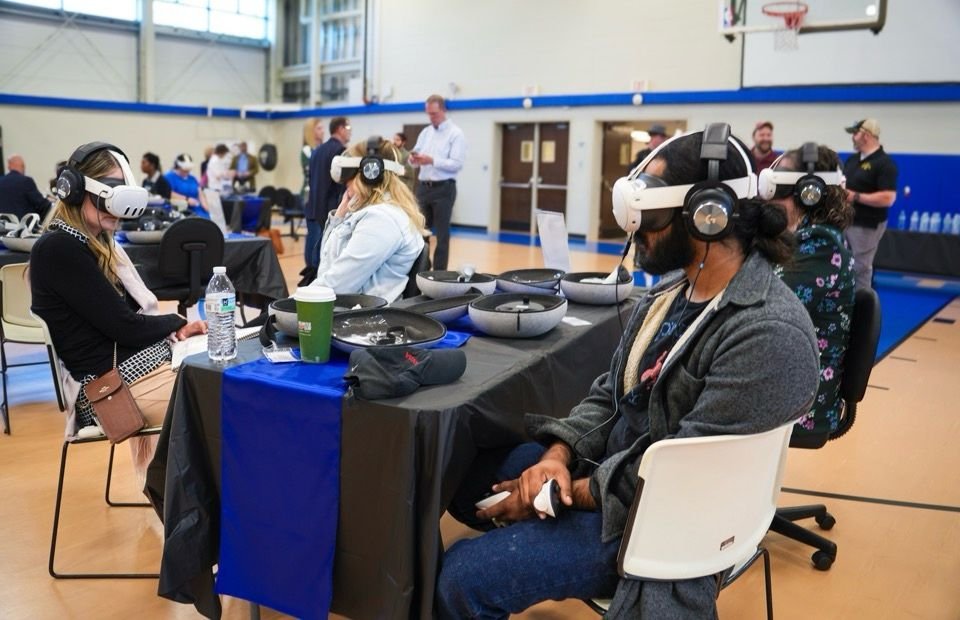
Video produced as a promotion for OHIO 360.
Role: Producer / Editor
-
Cinematic Virtual Reality (Cine-VR) is a mesh between cinema and virtual reality - an immersive new way of telling a story through experience, connecting with audiences in a way that was not possible before. While Cine-VR can be viewed on a computer, phone, or tablet screen, the best way to fully experience it is through a head-mounted display such as a Meta Quest. Putting on an HMD allows no distractions from the outside world, which allows viewers to be completely immersed within the Cine-VR story. By turning your head and listening to your surroundings, the imagery displayed will adjust seamlessly, allowing viewers to remain present as if they were in the Cine-VR world themselves.
-
Cinematic Virtual Reality (Cine-VR) transforms traditional training into immersive, experience-based learning by placing participants inside realistic, 360-degree environments. Rather than passively watching a lesson, learners experience scenarios from a first-person perspective, improving engagement, situational awareness, critical thinking, and information retention. Used across healthcare, education, corporate training, emergency response, and other professional fields, Cine-VR provides a safe environment to practice real-world situations, build confidence, and develop practical skills through immersive storytelling.
-
I primarily work on Cinematic Virtual Reality (Cine-VR) training experiences for law enforcement, public health, nursing, and human resources professionals.
My primary role is an editor and colorist, where I help shape immersive training scenarios from post-production through final delivery. Depending on the project's needs, I also contribute on set in production roles such as gaffer and production assistant, supporting the creation of high-quality immersive experiences from capture to completion.
-
Editing in 360° VR is similar to traditional film and video editing in many ways, but it also presents a completely different set of creative challenges. Unlike traditional filmmaking, where you can direct attention through close-ups, framing, or zooming in on a subject, 360° VR places the viewer inside the environment. Every direction is visible, so I have to consider the entire space rather than only what is inside a traditional frame.
Because of this, editing a 360° experience feels more like staging a live theatrical performance than assembling a conventional film. The audience has the freedom to look wherever they want, which means I cannot rely on traditional camera techniques to control what they see.
Instead, I use many of the storytelling principles I learned from traditional editing to guide the viewer's attention. Sound, lighting, movement, timing, and carefully designed cuts all help direct the audience toward important moments within the environment. While I cannot punch in for a close-up, I can strategically rotate the viewer's perspective and use visual and auditory cues to encourage them to look where the story needs them to go.
Beyond the editorial process, I also perform extensive masking and cleanup work to preserve the illusion of immersion. Because every angle of the environment is visible, production equipment such as lights, camera rigs, microphones, crew members, reflections, or other unwanted elements can easily appear within the scene. Using masking, compositing, and digital cleanup techniques, I remove these distractions so viewers remain fully immersed in the virtual environment without noticing the technical aspects of production.
The challenge of 360° editing is balancing the audience's freedom to explore with the need to guide their experience while maintaining a seamless, believable world. Through intentional editing, careful visual cleanup, and thoughtful storytelling choices, I help shape where viewers focus while preserving the immersion and sense of presence that makes VR unique.
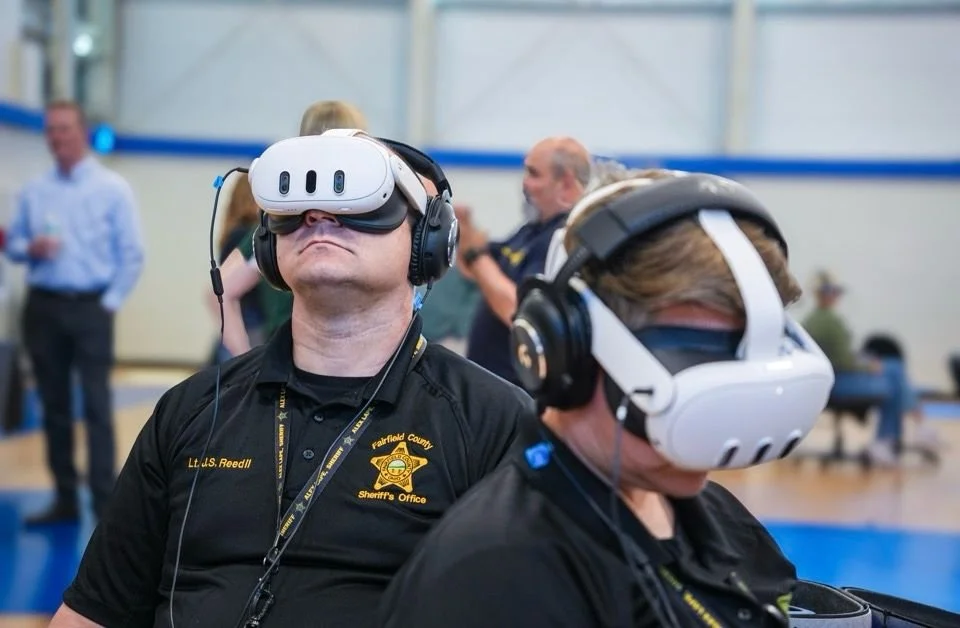
CINE-VR TRAINING EXPERIENCE
OPOTA Season 3 (2026)
Season 3 expands the curriculum with immersive scenarios covering autism awareness, corrections, domestic violence, sexual assault investigations, traffic stops, criminal interdiction, and interactions with individuals with special needs, reinforcing situational awareness, communication, and informed decision-making across diverse real-world encounters.
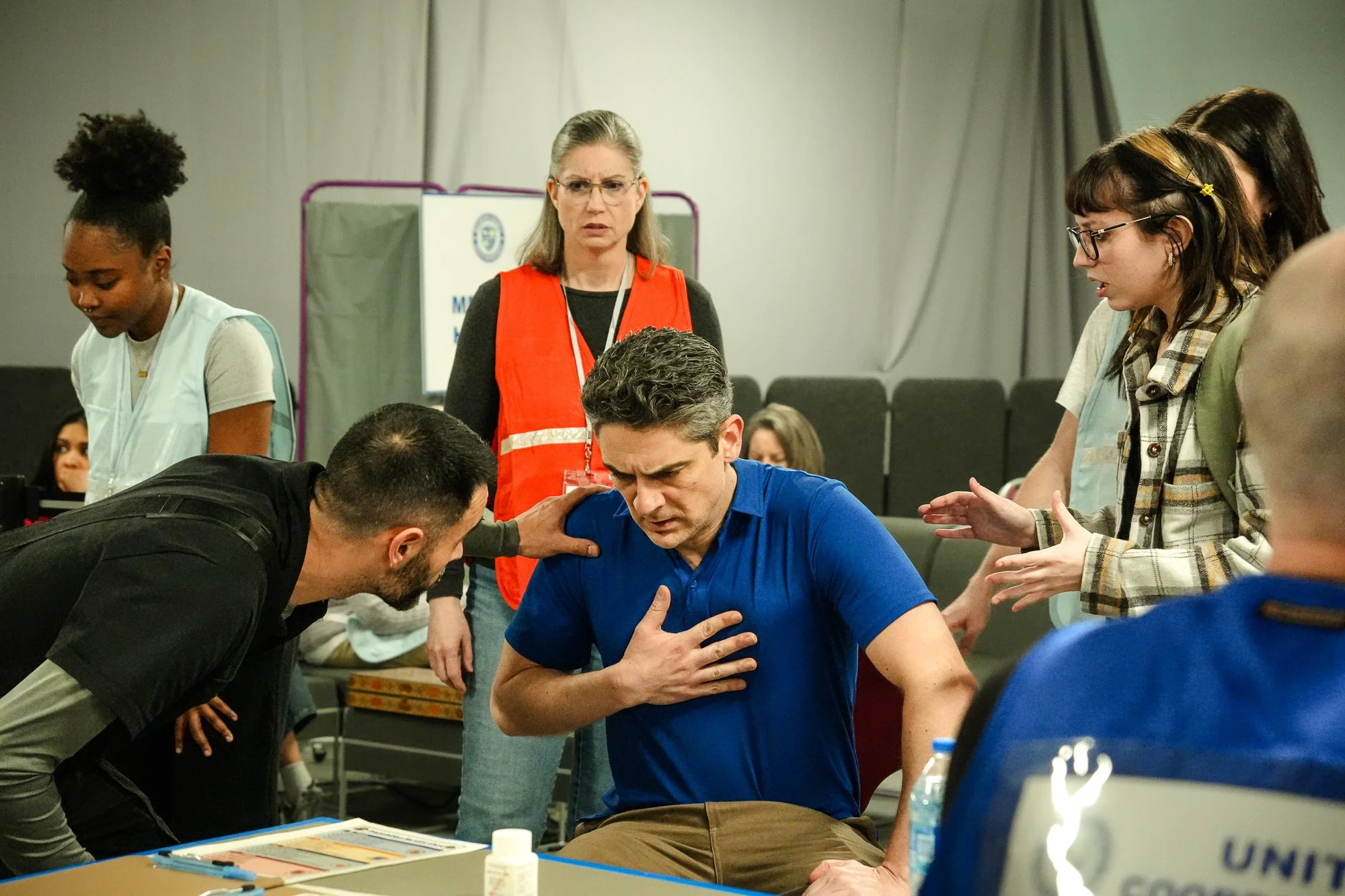
CINE-VR TRAINING EXPERIENCE
Anthrax at Kovic Center (2026)
Anthrax at Kovic Center is an immersive training experience that prepares volunteers to safely operate an emergency Point of Dispensing (POD) during an airborne anthrax event. Participants learn critical procedures for public communication, medication dispensing, and emergency response.
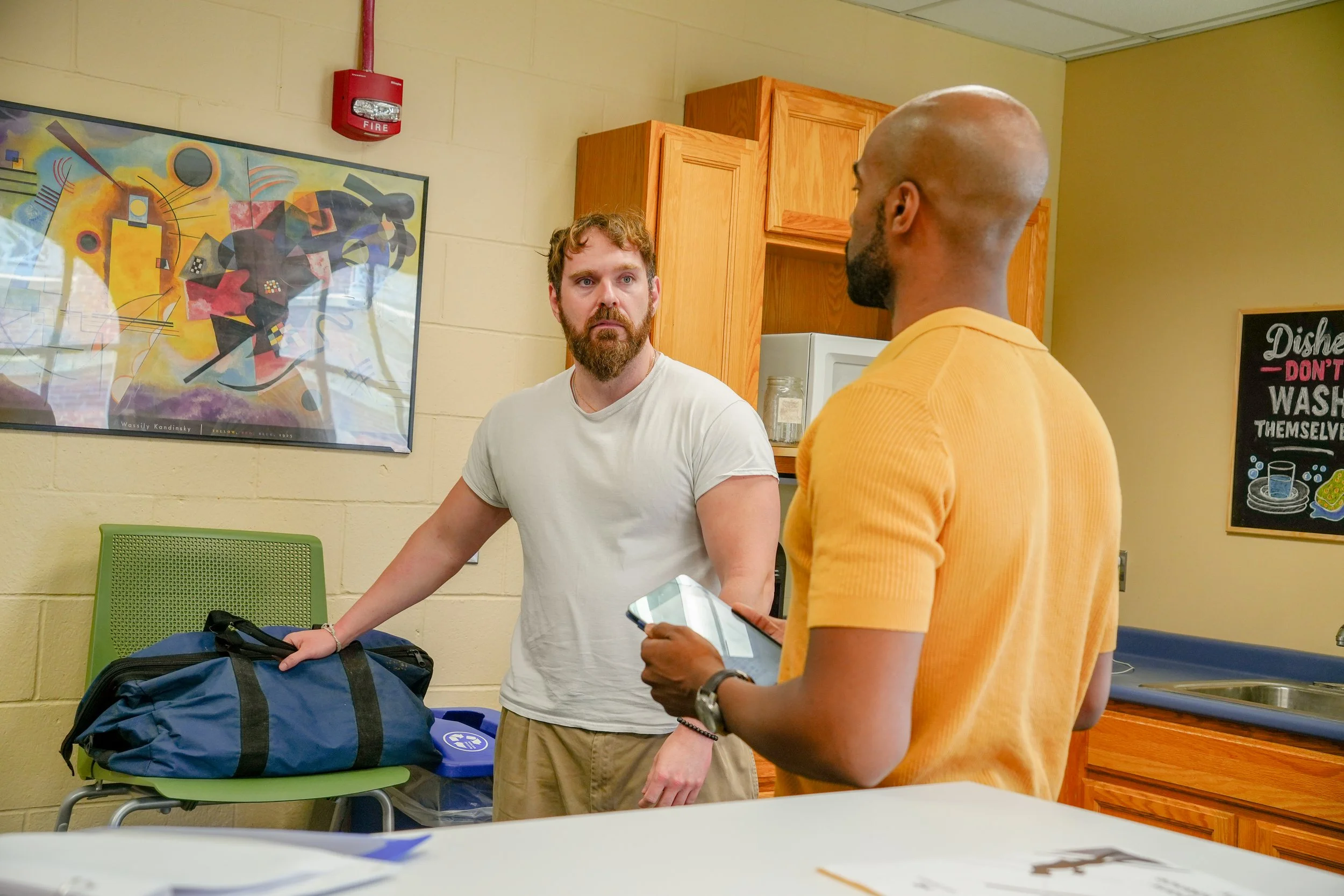
CINE-VR TRAINING EXPERIENCE
From Buddy to Boss (2025)
Buddy to Boss is an immersive leadership training experience that follows the transition from coworker to supervisor, helping participants develop communication, leadership, and decision-making skills through realistic workplace scenarios.

CINE-VR TRAINING EXPERIENCE
OPOTA Season 2 (2025)
Season 2 builds on the first series with immersive scenarios focused on de-escalation, persons in crisis, duty to intervene, First Amendment auditors, officer wellness, and constitutional policing, strengthening communication, critical thinking, and decision-making skills.